
Exploring the psychological thrills and chills of gambling behavior
Exploring the psychological thrills and chills of gambling behavior
The Allure of Risk-Taking
Risk-taking behavior is deeply ingrained in human psychology. The excitement derived from gambling often taps into our primal instincts, triggering a rush of adrenaline that many find irresistible. This thrill-seeking behavior is not only a source of entertainment but also acts as a catalyst for emotional highs and lows. As players take bets, they experience a cocktail of emotions, ranging from excitement and hope to anxiety and despair, making gambling a psychologically charged activity. Many have found the thrill of the game at Wildzy casino, a popular platform for exploring these feelings.
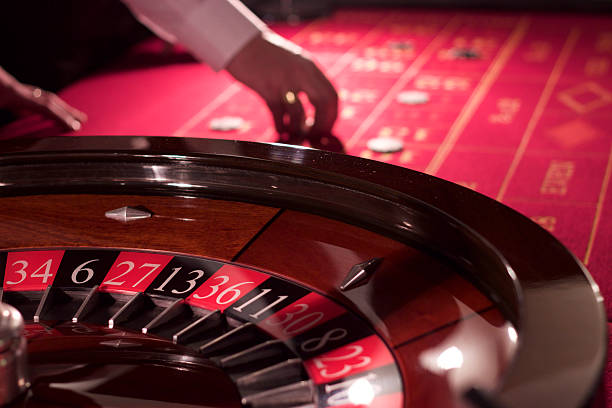
In many ways, the appeal of risk-taking in gambling mirrors other high-stakes situations in life. Whether it’s investing in the stock market or making bold personal choices, the psychology remains the same. The anticipation of a favorable outcome provides a sense of empowerment, even if the odds are statistically against the player. This draws individuals into the world of casinos and online gambling platforms, where the boundaries of risk can be continuously explored.
Moreover, the thrill of risk-taking can become a double-edged sword. While some people may find the excitement exhilarating, others can quickly find themselves trapped in a cycle of gambling addiction. This contrast highlights the complex nature of human behavior and the fine line between thrill and peril. Understanding this psychological dichotomy is crucial for both players and professionals in the gambling industry, as it can inform strategies for promoting responsible gambling practices.
The Role of Cognitive Biases
Cognitive biases play a significant role in shaping gambling behavior. For instance, the «gambler’s fallacy» leads individuals to believe that past events will influence future outcomes. A player might think that after a string of losses, a win is «due» to occur. This flawed reasoning can lead to increased betting and, ultimately, significant financial losses. Awareness of such biases can help mitigate reckless behavior, but many gamblers remain unaware of these psychological traps.
Another common cognitive bias is the «illusion of control.» Many gamblers feel that they can influence random outcomes, such as the roll of dice or the spin of a roulette wheel. This belief can enhance the gambling experience, making it more engaging. However, the illusion often leads to overconfidence, resulting in poor decision-making. The psychological allure of feeling in control can be intoxicating, making it challenging for players to recognize the inherent randomness of gambling.
These cognitive biases reveal how the mind can distort perceptions of chance and luck. Understanding these biases not only aids players in making informed decisions but also emphasizes the importance of promoting mental health awareness within gambling environments. By providing education on cognitive biases, online platforms can support safer gambling practices while ensuring that players have a more realistic understanding of their experiences.
The Emotional Rollercoaster of Wins and Losses
The emotional rollercoaster that comes with gambling is both thrilling and perilous. Winning can invoke feelings of euphoria and validation, often reinforcing the desire to continue playing. The burst of joy experienced during a win can trigger the release of dopamine, a neurotransmitter that plays a key role in the brain’s reward system. This chemical reaction can create an addictive cycle, where players continually chase the high of winning.
Conversely, losses can lead to significant emotional distress. The feelings of disappointment and frustration can be profound, particularly for those who have invested considerable time and money. Some gamblers may react to losses with anger or despair, leading them to chase their losses in hopes of reclaiming what they’ve lost. This chasing behavior can spiral into a cycle of increased bets and deeper financial troubles.
This emotional volatility not only affects individual players but can also create a broader social context within gambling environments. As players witness the highs and lows of those around them, they may feel pressured to engage in riskier behavior. This communal experience of thrill and despair can amplify the psychological stakes involved, making it critical for both players and operators to foster environments that prioritize emotional well-being.
The Impact of Environment and Social Influence
The environment in which gambling occurs significantly impacts psychological behavior. For instance, the ambiance of a casino, with its bright lights, sounds, and stimulating visuals, is designed to create a sense of excitement and urgency. This sensory overload can enhance the experience of gambling, drawing players deeper into the game. Online platforms also emulate this environment through sophisticated graphics and immersive soundscapes that keep players engaged.
Social influences further complicate gambling behavior. Friends and peers can impact an individual’s gambling choices, encouraging riskier bets or reinforcing the thrill of the chase. Social settings often create a sense of camaraderie among gamblers, which can lead to collective decision-making that may not prioritize responsible behavior. This peer pressure can be particularly pronounced in social gambling situations, where the desire to fit in can outweigh individual caution.
Understanding the environmental and social factors at play is crucial for developing strategies to promote responsible gambling. Both land-based and online platforms can implement features that encourage safe practices and provide resources for players who may be struggling. By creating a more supportive environment, operators can help mitigate the negative psychological impacts of gambling while still preserving the excitement and thrill of the experience.

Responsible Gambling and Psychological Insights at Wildzy
At Wildzy, we recognize the importance of understanding the psychological aspects of gambling behavior. Our platform is designed not only for thrill-seekers but also for individuals seeking a safe gaming experience. We provide resources to educate players on the potential risks involved in gambling and the cognitive biases that can influence behavior. Our commitment to responsible gambling practices is reflected in our user-friendly features that promote self-awareness and informed decision-making.
In addition to offering an extensive library of games, Wildzy emphasizes the importance of emotional well-being. We understand that gambling should remain an enjoyable experience, and our support services are available 24/7 to assist players who may need help or guidance. By fostering a culture of awareness and support, we aim to create an engaging atmosphere that prioritizes players’ mental health alongside their gaming enjoyment.
Join Wildzy today to experience the excitement of gambling in a responsible manner. Our platform is equipped with tools that help players monitor their gaming habits, ensuring that the psychological thrills and chills of gambling remain a source of enjoyment and not distress. Explore our gaming library with peace of mind, knowing that your well-being is at the forefront of our mission.



Dejar un comentario
¿Quieres unirte a la conversación?Siéntete libre de contribuir!